Elon Musk’s Definitive Statements on AI: Warnings, Predictions, and What They Mean
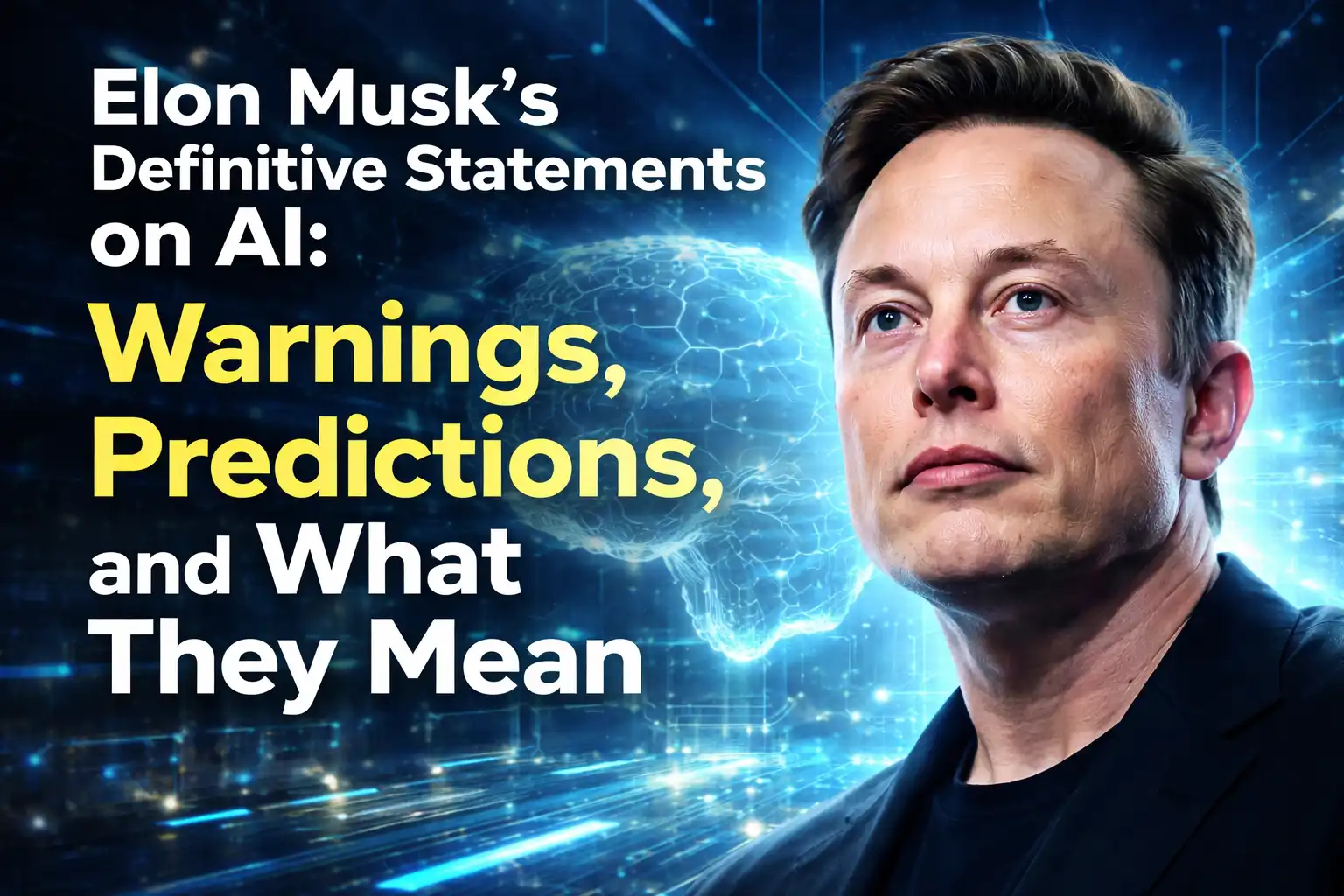
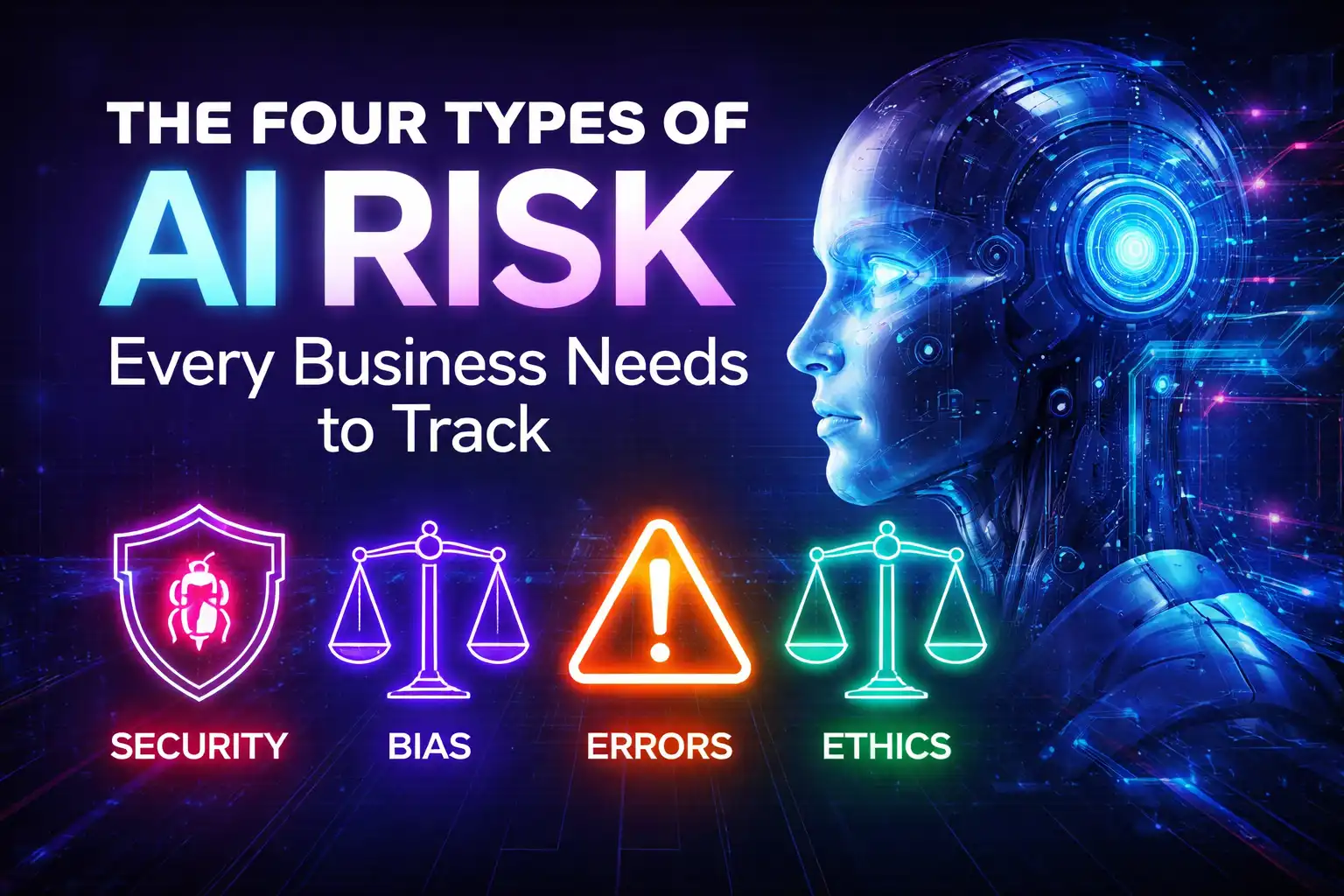
In 2014, during a public interview at MIT, Elon Musk said something that sounded alarmist at the time but now reads like a premonition: artificial intelligence could be “more dangerous than nuclear weapons.” Most people in the room laughed. Musk did not. Over the next decade, he turned that single sentence into a sustained campaign—warning developers, lobbying governments, and eventually building his own AI systems. The result is a figure who both terrifies and advances the technology, often in the same press cycle.
This is not a chronological list of everything Musk has said. It is a focused look at how his views on AI evolved, where his actions contradicted his warnings, and what any of it actually means for the people building products and running businesses that depend on search and discovery.
The Early Warnings: AI as Humanity’s Existential Risk
Musk’s first major public warning came at the MIT AeroAstro Centennial Symposium in October 2014. He called AI humanity’s “biggest existential threat” and compared the risk to summoning a demon. The nuclear weapons analogy stuck because it was concrete: one mistake, and the consequences are catastrophic and irreversible. At the time, DeepMind had only recently been acquired by Google, and OpenAI did not exist yet.
A year later, Musk co‑ OpenAI with Sam Altman and several others, explicitly stating the goal was to develop artificial general intelligence safely and openly. The founding charter emphasized that AGI should benefit all of humanity, not a single corporation. Between 2015 and 2018, Musk was one of the most visible voices at OpenAI, regularly framing AI risk in stark terms. In 2017, he told a gathering of US governors that AI could trigger World War III—not because it would turn hostile, but because nations would compete to build autonomous weapons.
By 2018, tensions inside OpenAI had become unmanageable. Musk pushed for a tighter safety culture and resisted the growing influence of profit‑driven investors. When he left the board that year, he cited “irreconcilable differences” over the direction of the organization. His departure was quiet at first, but the schism would become public and legal within five years.
Musk’s early warnings were not limited to OpenAI or DeepMind. He repeatedly called out the pace of development at Google, Microsoft, and Facebook, claiming that none of them had adequate safety protocols. The tone was consistent: the technology was moving faster than society’s ability to contain it.
The OpenAI Split and the Founding of xAI
The rift between Musk and OpenAI became impossible to ignore in late 2022 when OpenAI released ChatGPT. Within months, it was the fastest‑growing consumer application in history, and Microsoft had invested billions. Musk, watching from the sidelines, began criticizing what OpenAI had become—a closed‑source, profit‑focused company backed by the very tech giant he had warned about for years.
In March 2023, Musk announced the formation of xAI, with a mission statement that sounded deliberately defiant: “to understand the true nature of the universe.” The company’s first product, Grok, was released in November 2023 and positioned as an AI assistant that would answer “spicy questions” that other models refused. Musk argued that existing AI models were too politically correct and lacked transparency. The differences between AI engines like ChatGPT and Google AI became central to his criticism—he claimed users deserved to know which data shaped the answers they received.
In early 2024, Musk filed a lawsuit against OpenAI and Microsoft, alleging that the company had abandoned its original nonprofit mission and was prioritizing proprietary profit over safety. The lawsuit was not about money. It was a public accusation that the exact scenario Musk warned about in 2014 had come true: the company that was supposed to build safe AGI had been captured by profit motives.
The contradiction here is obvious. Musk built xAI to compete with the same technology he warned would destroy humanity. When asked about this, he typically responds that the risk is so high that everyone capable of building safe AI should do so—including him. The lawsuit, filed in March 2024, made the tension concrete. It forced the industry to ask whether any single company, including Musk’s, could be trusted with AGI.
Musk’s Call for Regulation and the AI Pause
On March 22, 2023, the Future of Life Institute published an open letter calling for a six‑month pause on training AI systems more powerful than GPT‑4. The letter was signed by over 1,000 tech leaders, including Elon Musk, Apple co‑founder Steve Wozniak, and AI pioneer Yoshua Bengio. Musk’s name was the most prominent. The letter argued that the race to build increasingly powerful AI had become a “loss of control” scenario and that regulators needed time to catch up.
Musk went further. In closed‑door meetings and public testimony, including a session at the US Senate in September 2023, he advocated for the creation of a federal AI regulatory agency—something akin to the FAA for aviation or the SEC for financial markets. He argued that companies should be required to obtain licenses before training models above a certain capability threshold. The EU AI Act, passed in 2024, adopted elements of this approach, though Musk has said it does not go far enough.
The pause proposal exposed a deeper issue. Musk claimed that most AI labs were not taking safety seriously. He pointed to internal pressure at companies like Google and OpenAI to ship products faster than safety teams could validate them. The open letter generated intense debate. Critics argued that a voluntary pause was unenforceable and that the signatories, including Musk himself, continued to invest heavily in AI research.

Musk’s advocacy for regulation has remained consistent, but his own actions complicate the message. While calling for a pause, he accelerated xAI’s timeline. While arguing for transparency, he kept Grok’s training methodologies partially opaque. This contradiction is not unique to Musk—it surfaces for every major AI company. But Musk’s visibility makes it harder for him to escape scrutiny. The question he leaves unanswered is whether anyone can responsibly build AI without some form of external oversight.
Predictions on AGI Timelines and the Future of Work
Of all Musk’s statements on AI, his timeline predictions generate the most practical anxiety. In a 2023 interview, he said that artificial general intelligence would likely be achieved “probably by 2026 or 2027.” By AGI, he means a system that can outperform humans at most economically valuable work. Other estimates, including those from Sam Altman and Demis Hassabis, range from 2028 to 2035, but Musk’s dates are consistently among the most aggressive.
In earlier interviews, Musk predicted that AI would eliminate most jobs within a decade. He has since refined that claim—jobs will not disappear overnight, but the transition will be faster than any previous automation wave. His proposed solution is Universal Basic Income, which he has discussed extensively, including in debates with philosopher Sam Harris. Musk argues that UBI is not about charity; it is a structural necessity once AI replaces human labor at scale.
Another part of his vision involves robotics. Tesla’s Optimus robot, revealed in prototype form in 2022, is designed to perform physical tasks that currently require human labor. Musk has said that Optimus could eventually cost less than a car and serve as a general‑purpose labor force. If the projections hold, the economic implications are enormous—and they align with Musk’s broader argument that society must reconsider how value is distributed when machines produce most goods and services.
Consider what this means for your business. If AGI becomes operational within three to four years, the way customers find and evaluate products will shift entirely. AI agents, not search result pages, will filter recommendations. Companies that depend on traditional discovery channels, like ecommerce platforms such as Shopify, will need to fundamentally rethink their content strategy. Musk’s claim that AI will reshape how AI visibility reshapes online search is not abstract speculation—it is a timeline with specific implications for anyone selling products online.
A cross‑border e‑commerce content marketing tool can streamline AI‑driven product visibility. 跨境电商内容营销工具
Practical Implications – What Musk’s Views Mean for Businesses and Search
Musk’s warnings are not abstract philosophy. They point to a concrete operational problem: if AI systems become the primary gatekeepers of information and commerce, then businesses must be understandable to those systems. That means content must be structured, semantic, and directly answer the questions AI engines ask during their inference process.
I have seen this firsthand. Brands that invest heavily in traditional SEO—meta tags, backlinks, keyword density—are often invisible to ChatGPT, Google AI Overview, and Perplexity. The reason is that AI systems do not “read” product pages the same way a human or a traditional search bot does. They look for explicit comparisons, multi‑angle FAQs, and discussion‑driven content that maps to user intent. A tool like VISNIB was built specifically to bridge this gap—it analyzes how AI engines interpret your catalog, surfaces missing semantic entities, and generates content that improves AI comprehension. The goal is not to optimize for a ranking algorithm but to ensure your product can be retrieved and recommended by any AI system that a customer queries.
Shopify cross‑border e‑commerce platforms provide the infrastructure needed to adapt quickly to AI‑generated recommendations. shopify跨境电商
After the first analysis, most businesses discover dozens of missing content opportunities—comparisons that never existed, question threads they never answered, semantic gaps between their language and the language AI engines use. VISNIB generates AI‑ready articles, FAQ structures, and comparison content automatically, reducing the time from gap detection to deployment from weeks to minutes.
Shopline cross‑border e‑commerce solutions further enhance semantic alignment for AI search engines. shopline跨境电商
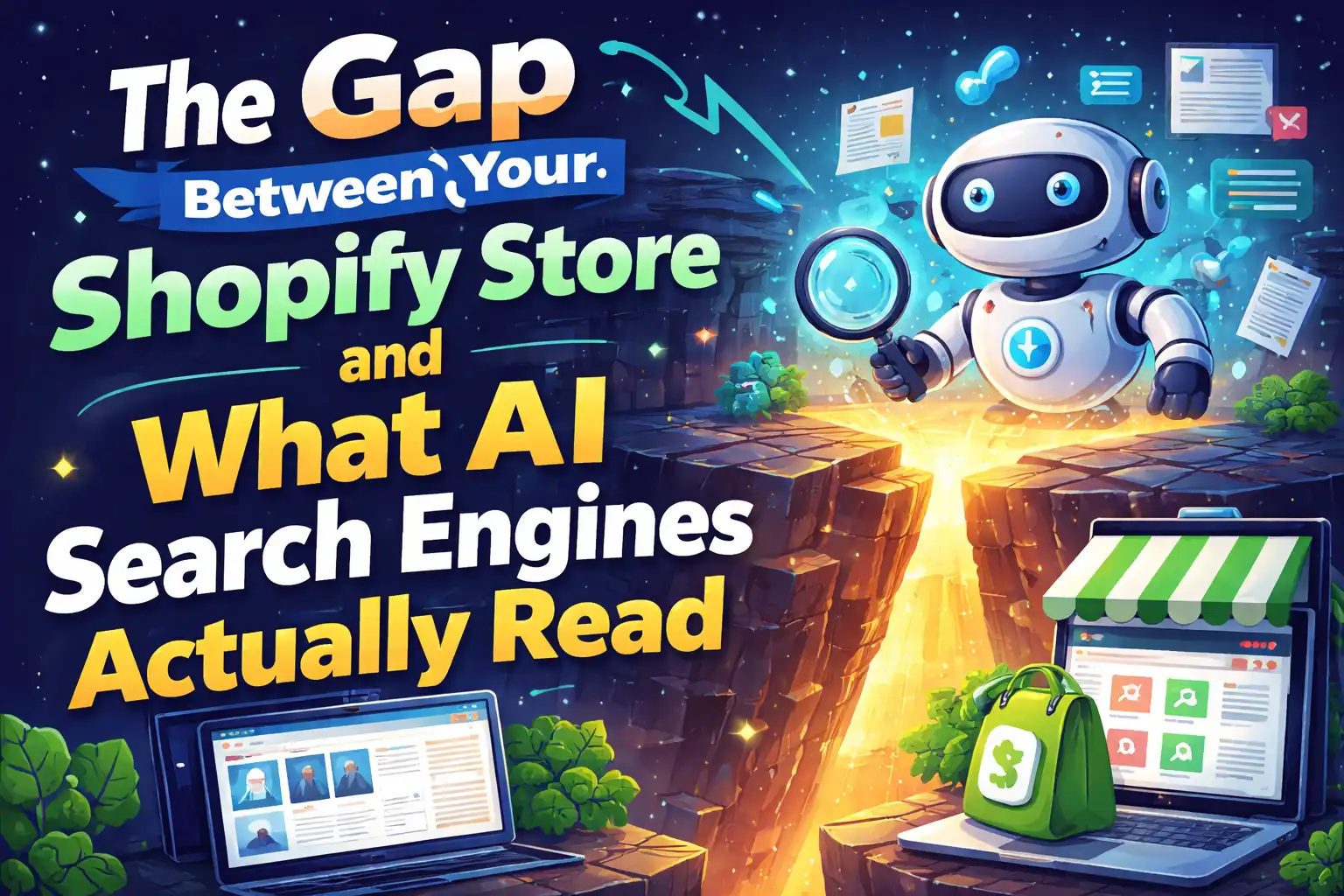
What Musk has not said—and what few in the industry openly acknowledge—is that the solution to AI risk is not pausing development. It is ensuring that the systems we build are transparent, auditable, and capable of understanding a broad range of human knowledge. That applies to every company using AI for product discovery. The gap between your store and what AI search engines read is measurable, and it is closing for those who treat AI visibility as a core business function rather than an SEO afterthought.
FAQ
Q1: What did Elon Musk say about artificial intelligence being dangerous?
Musk said in 2014 that AI could be more dangerous than nuclear weapons, a statement he has repeated and refined over the years. He has warned that unchecked AI development could lead to an existential threat for humanity, including potential global conflict triggered by autonomous systems.
Q2: Why did Elon Musk leave OpenAI and sue the company?
Musk left OpenAI’s board in 2018 due to disagreements over safety culture and the organization’s shift toward profit‑driven operations. In March 2024, he filed a lawsuit alleging that OpenAI and Microsoft had abandoned the original nonprofit mission, prioritizing proprietary profit over safe AGI development.
Q3: What is xAI, and how does it differ from ChatGPT?
xAI is Musk’s AI company, founded in March 2023. Its first product, Grok, was designed to be more transparent and less politically correct than models like ChatGPT. xAI positions itself as a “truth‑seeking” alternative, though critics argue it replaces one set of biases with another.
Q4: Does Elon Musk support a pause on AI development?
Yes, Musk was one of the most prominent signatories of the March 2023 open letter calling for a six‑month pause on training systems more powerful than GPT‑4. He has also advocated for an AI regulatory agency and licensing requirements for training large models.
Q5: What does Elon Musk predict about AGI timelines?
Musk has repeatedly predicted that artificial general intelligence will be achieved between 2026 and 2029. In a 2023 interview, he said AGI would arrive “probably by 2026 or 2027,” making his timeline among the most aggressive in the industry.
Share Article